
Enhancing resilience to natural hazards through community-led, nature-based actions across Asia Pacific
The Building Community Resilience to Natural Hazards Programme is a joint initiative led by WWF International in partnership with the International Federation of Red Cross and Red Crescent Societies (IFRC), anchored by funding from the UAE Aid Agency, and hosted by Emirates Nature-WWF.
By bringing together the world’s largest conservation and humanitarian organisations, the programme breaks silos by working across sectors, combining expertise to advance climate and disaster resilience in Asia Pacific. The programme is open to further collaboration with diverse partners to build multi-sectoral alliances for resilience.
The BCRN programme aims to support projects across at least 16 Asia Pacific countries, mainstreaming NbS in delivering disaster and climate resilience. It is locally-led, working directly with communities, regional networks and national societies, such as the IFRC national societies and community networks on the ground.
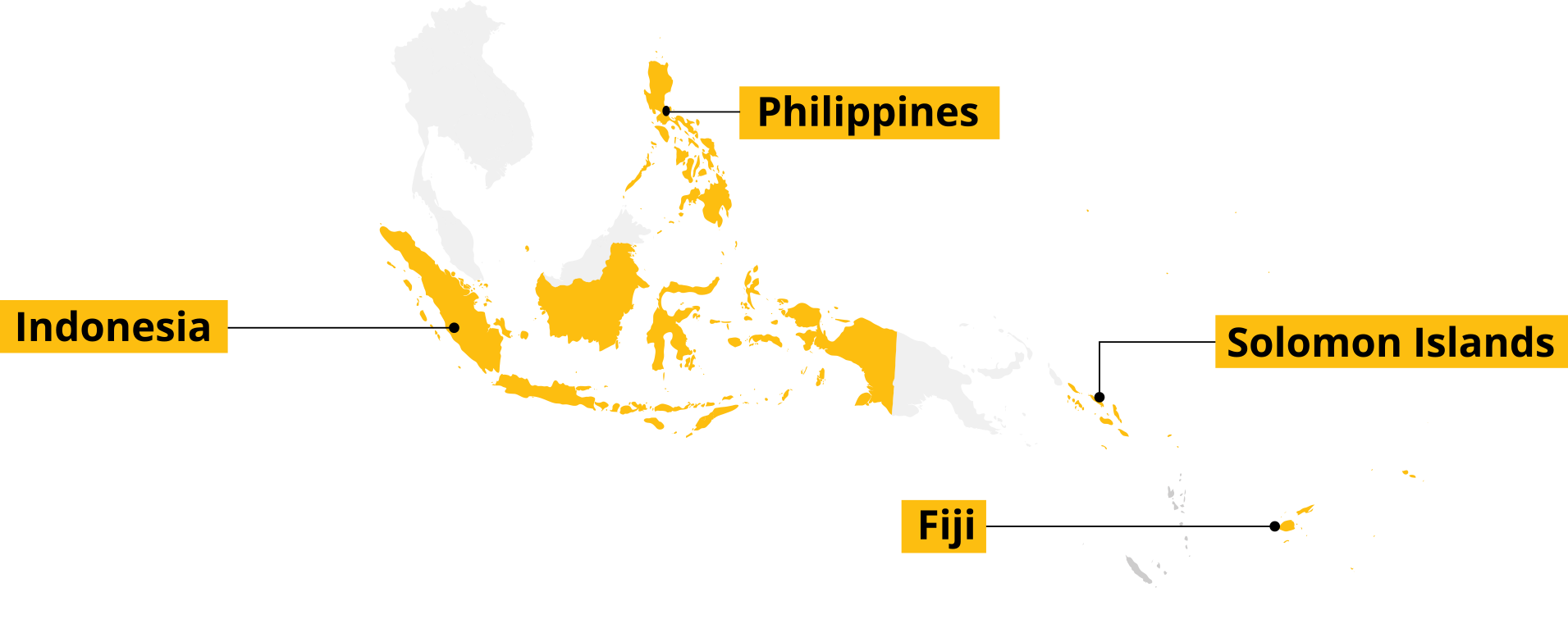
In its first phase, the programme aims to strengthen the resilience of people and ecosystems across four pilot countries:
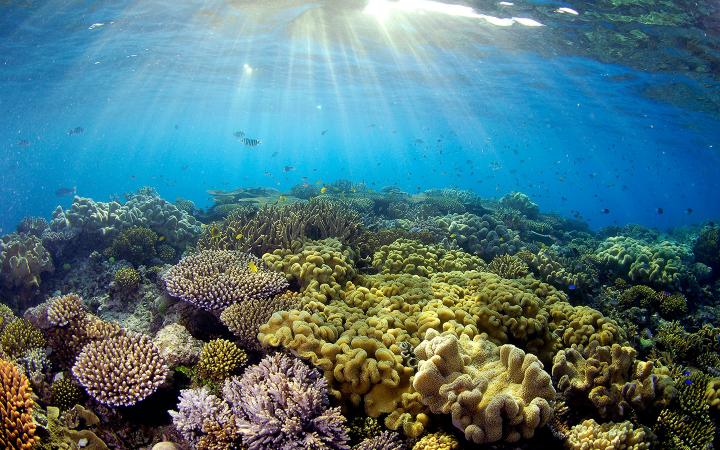
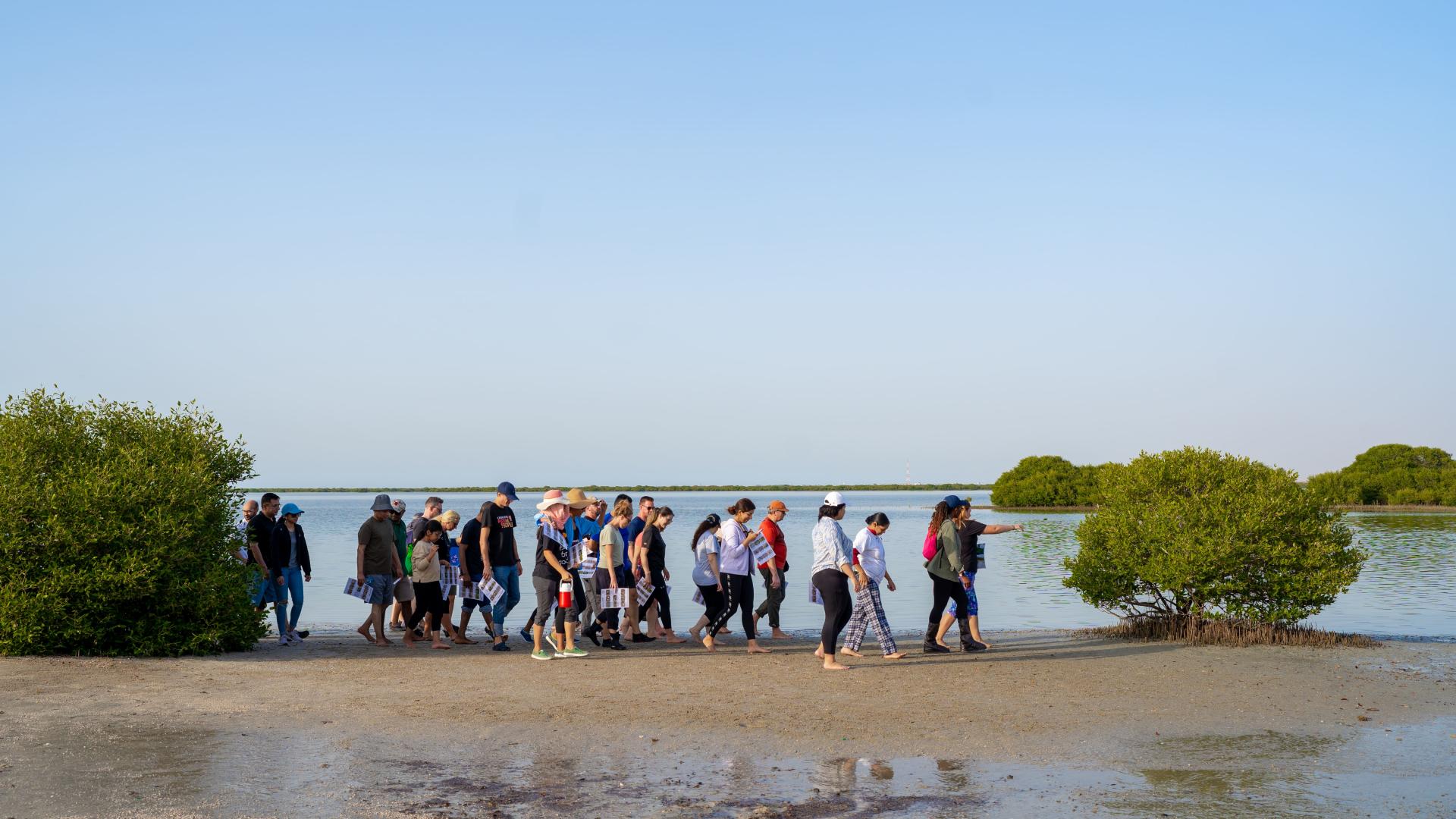
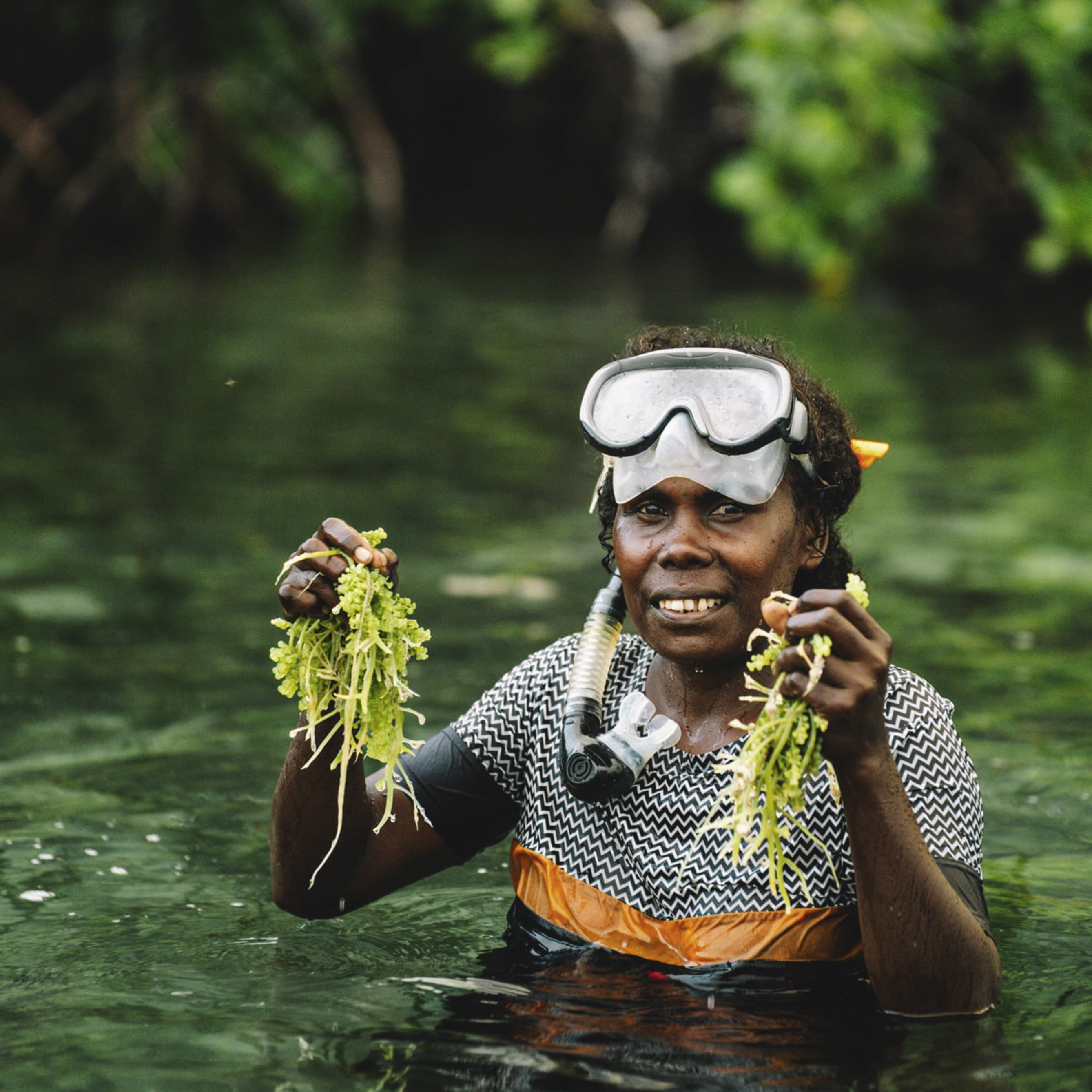
By restoring and enhancing ecosystems that sustain traditional stewardship practices — such as seagrape farming – and shield vulnerable communities from climate change hazards, like storm buffering through mangroves or coral reef restoration, the programme improves livelihoods and well-being while supporting climate change adaptation.
Combined with research, and socio-ecological and climate vulnerability assessments, the programme delivers culturally-grounded solutions that meet local needs and build long-term resilience.
BCRN views nature as both an asset and an intrinsic value. A cornerstone is the systemic integration of disaster risk reduction measures and early warning systems into national frameworks, policies and infrastructure planning.
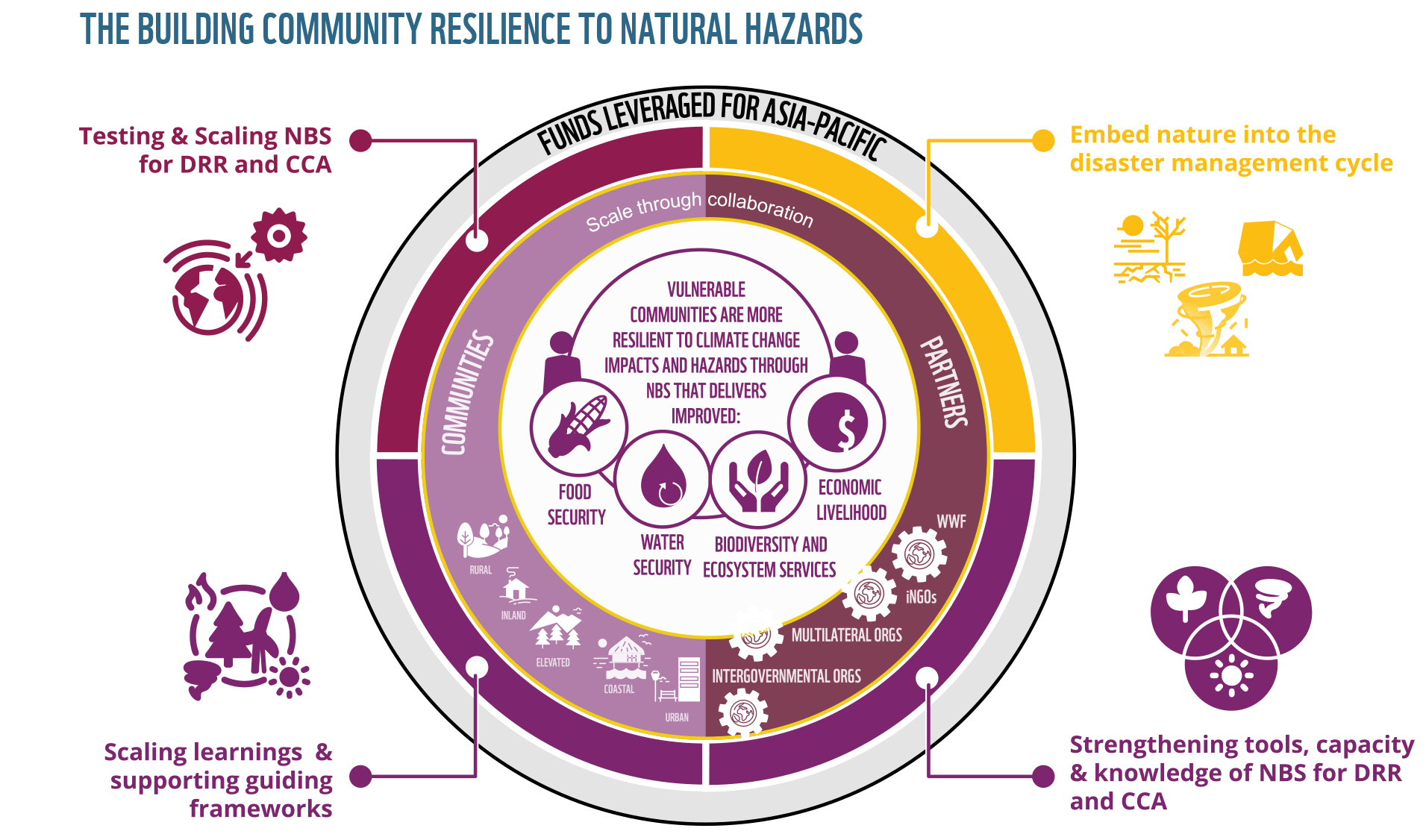
The programme builds enabling environments by developing tools, supporting research, integrating nature into policy, scaling best practices and strengthening stakeholder capacity across communities and countries.
The programme aims to leverage US$100 million in flexible funding by 2030 and sustain its impact by developing financial models and strategies for project continuity and long-term sustainability.
Examples of Co-benefits of BCRN Programme Interventions

1
Ecosystem Restoration and Sustainable Income
Coastal restoration through mangrove rehabilitation helps protect freshwater by reducing saltwater intrusion caused by extreme weather events. Linking these efforts with public–private partnerships, such as eco-tourism, provides sustainable financing, ecosystem protection, and resilient livelihoods.
2
Restored Landscapes Protect from Hazards and Support Livelihoods
Farming sea cucumbers and sea grapes in restored coral reefs and mangroves supports livelihoods while also reducing wave heights, buffering storm impacts, and limiting saltwater intrusion.
3
Disaster Preparedness Measures
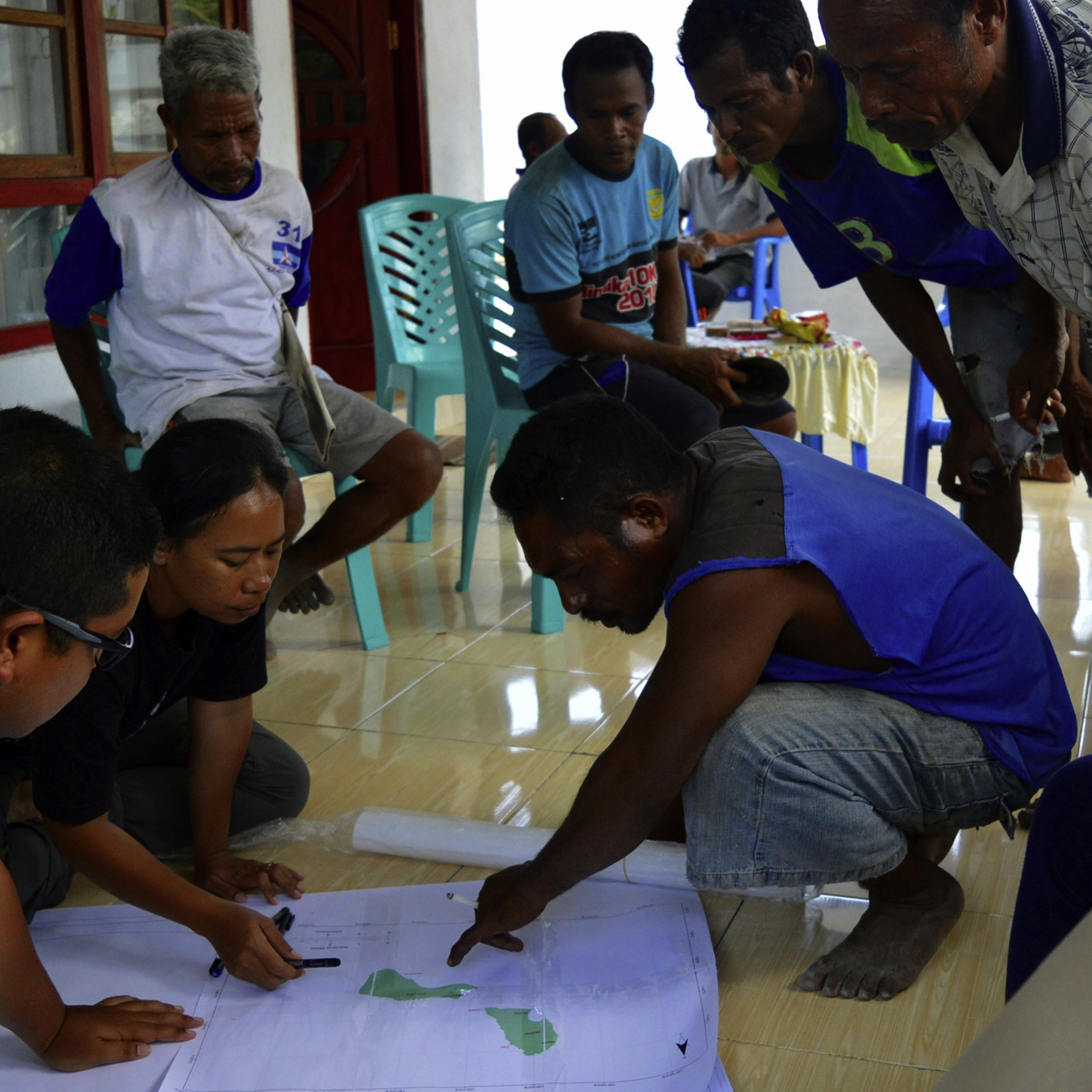
Community-led disaster risk planning, including Nature-based Solutions endorsed by the community, combined with vulnerability mapping and early warning systems, improves safety during extreme weather events.
Emirates Nature–WWF and the BCRN Programme welcome strategic partnerships with organisations committed to advancing climate resilience and sustainable development across Asia Pacific. By partnering with BCRN and Emirates Nature–WWF, corporations and philanthropies can play a pivotal role in scaling nature-based solutions, driving measurable impact, and strengthening the resilience of both communities and ecosystems.
Mobilising Partnerships and Philanthropy to Build Resilient Communities in Asia Pacific
Alongside the launch of the Building Community Resilience to Natural Hazards (BCRN) programme, WWF and Asia Venture Philanthropy Network (AVPN) have also released a new report that explores similar themes of collaboration and impact. The publication brings together insights from more than 100 leaders across philanthropy, conservation, and the public and private sectors in Asia Pacific. Drawing on decades of collective experience, it highlights how philanthropy, in partnership with governments and communities, can place nature at the heart of climate and disaster resilience efforts across the region.
Other NBS-Related Work