Abu Dhabi, 29 October 2025 – Leaders and conservationists gathered at the UAE Pavilion during the IUCN World Conservation Congress to explore how nature-positive solutions can empower rural communities.
Hosted by Emirates Nature-WWF and the Emirates Council for Balanced Development (ECBD), with participation from the Fujairah Environment Authority (FEA) and the Ras Al Khaimah Environment Protection and Development Authority (EPDA), the session, “UAE Rural Communities and Nature-Positive Solutions,” highlighted UAE-based community-led models that restore ecosystems, preserve cultural heritage and build resilient rural economies.
Empowering rural communities through sustainable development
Across the country, this approach is transforming the way development is imagined - not as a choice between progress and preservation, but to drive growth and opportunities in rural areas in the UAE and create a balance between people and nature.
H.E. Mohamed Khalifa Bakhit Al Kaabi, Secretary General of the Emirates Council for Balanced Development (ECBD):
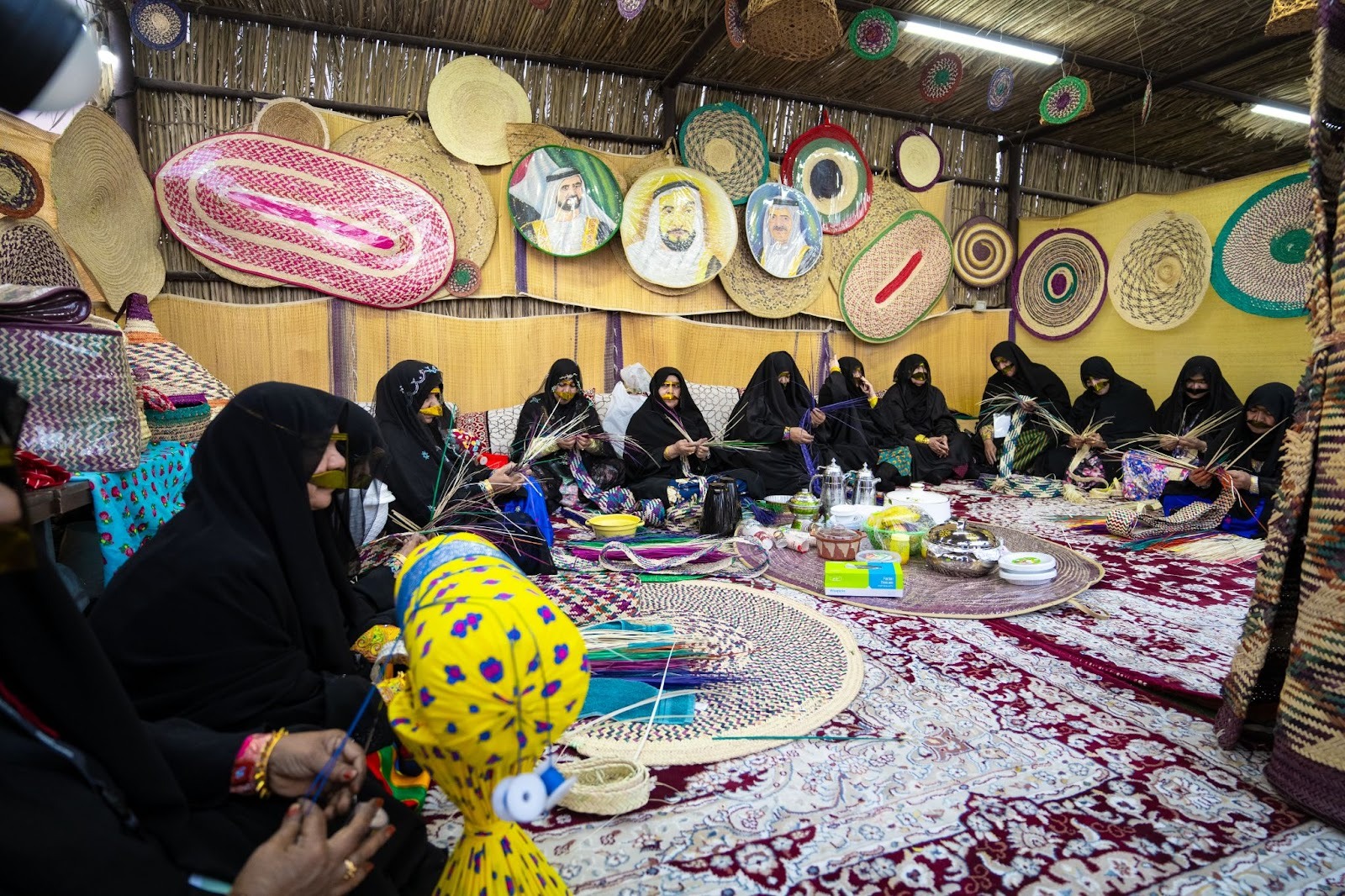
“Through the Emirates Villages Initiative, we are creating new livelihoods rooted in sustainability and heritage. We are not simply developing villages - we are enhancing the quality of life, creating places where culture, nature and economic opportunity coexist. Ecotourism is a key driver, working closely with communities to align with the unique nature and culture of these villages. The UAE offers diverse landscapes - from mountains to coastal areas and desert villages - offering rich potential for developing nature-based tourism experiences and promoting local organic products. All this is aligned with the UAE’s vision of sustainability and community well-being.
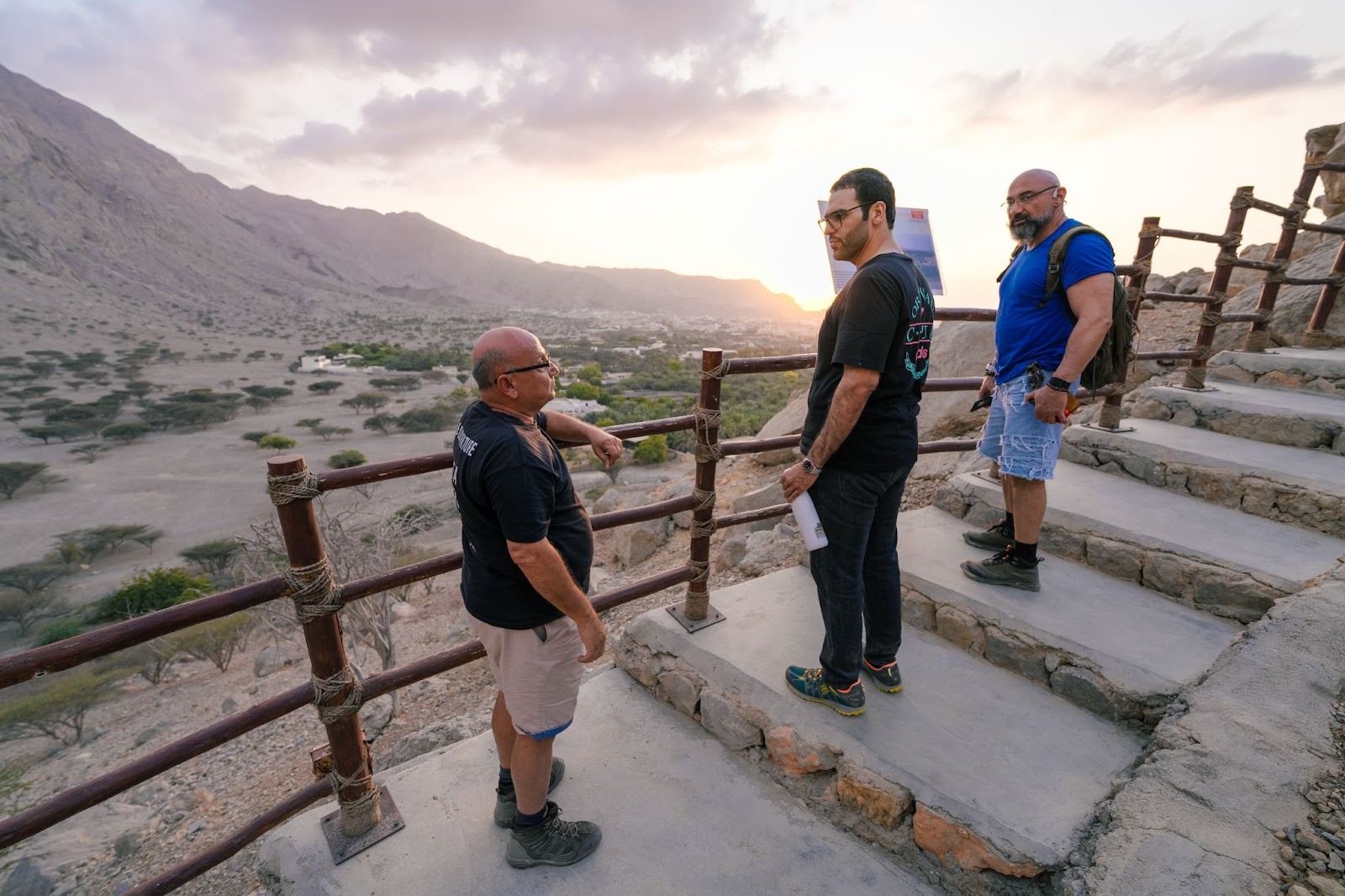
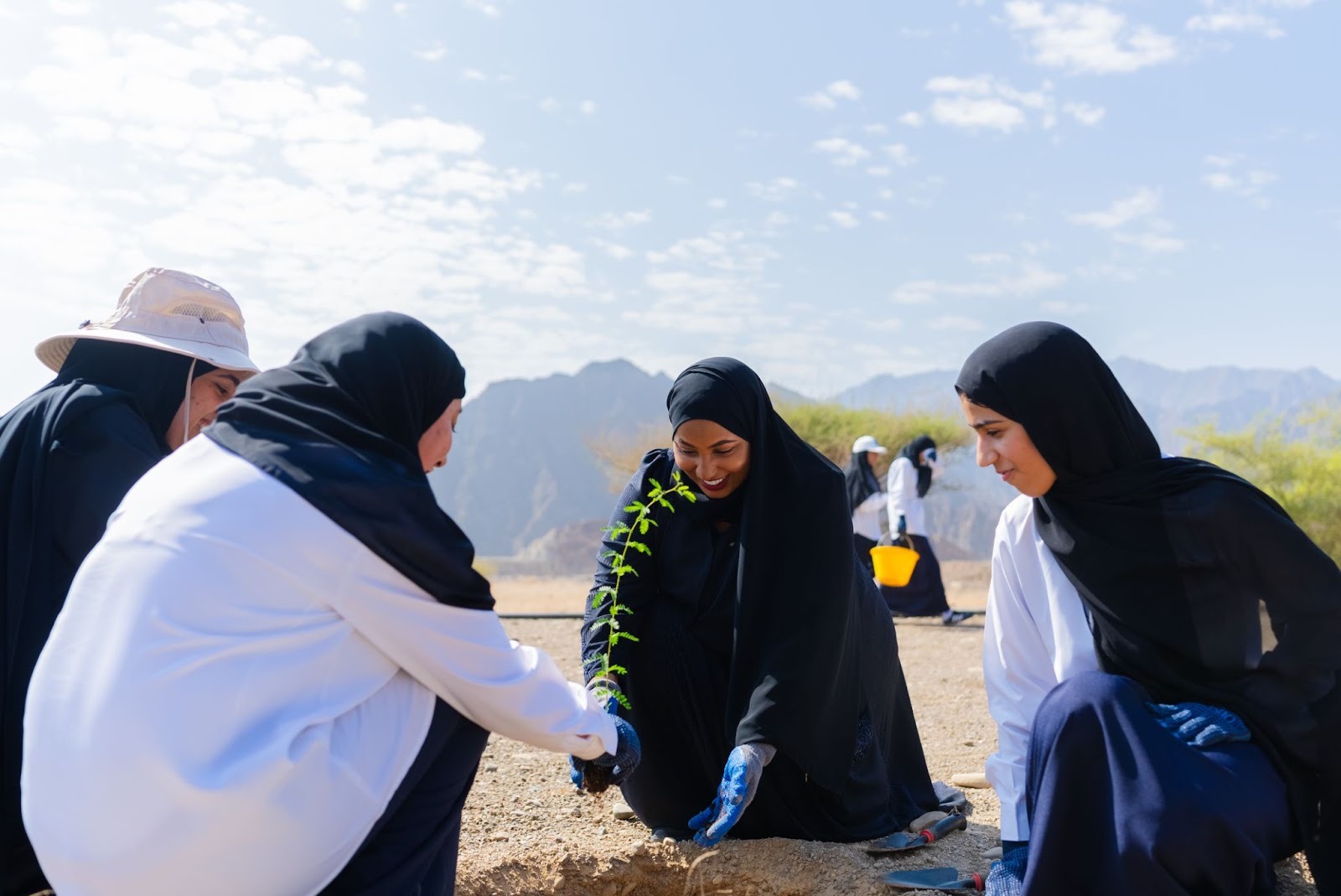
This vision is being realised through ECBD’s partnership with Emirates Nature-WWF in areas such as Masfout and Al Rams, where local farmers and entrepreneurs are co-designing new models of sustainable tourism and reforestation with native species - building prosperity while protecting the ecosystems that sustain them. In Masfout, the partners worked together to restore the historic Al Waraa falaj, enhancing access to water for both people and nature. In Al Rams, an ecotourism masterplan has been developed, alongside the creation of an ecotrail that connects the mountains to the mangroves through farmlands.
Fujairah: Conservation as a source of national pride
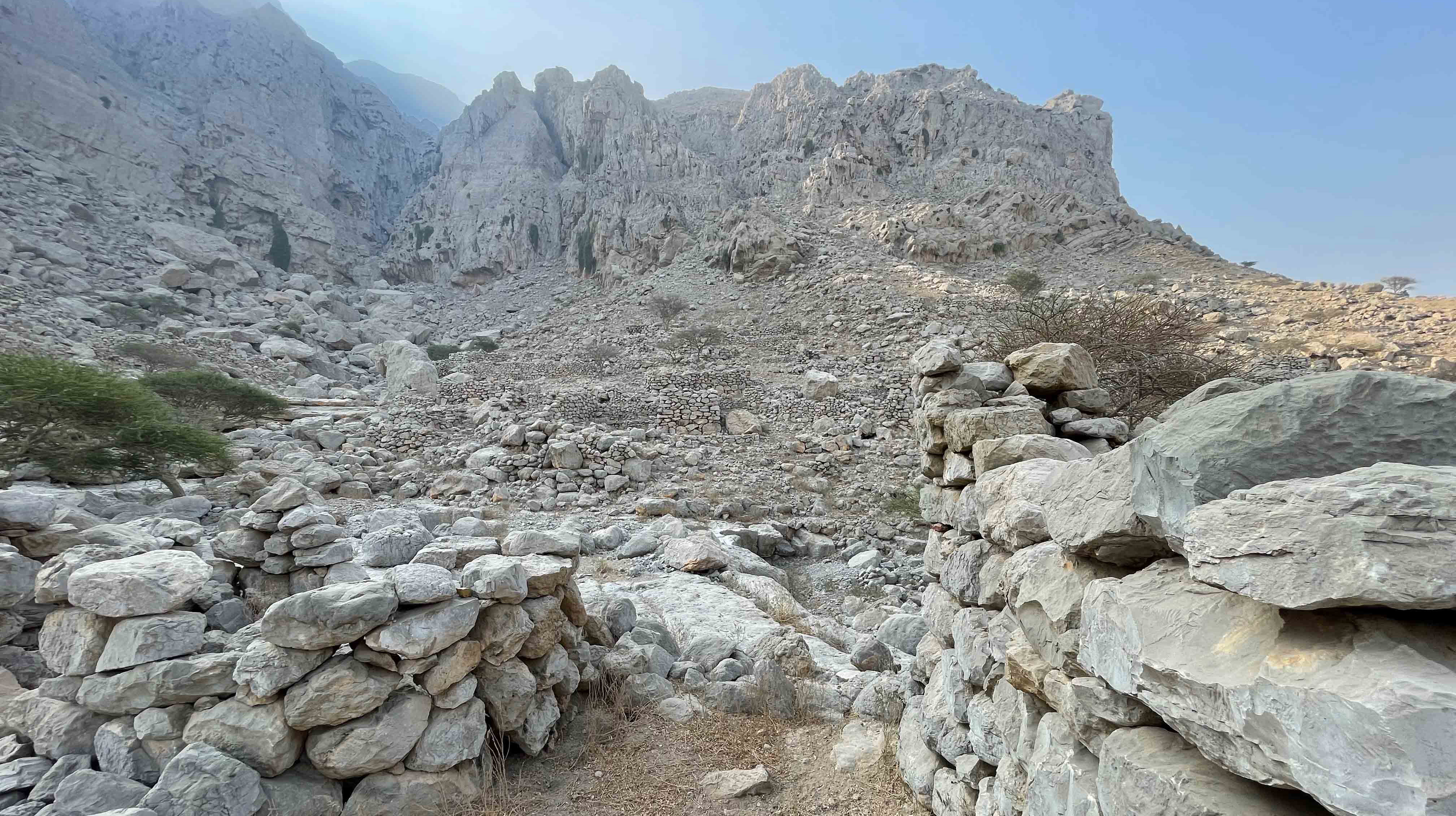
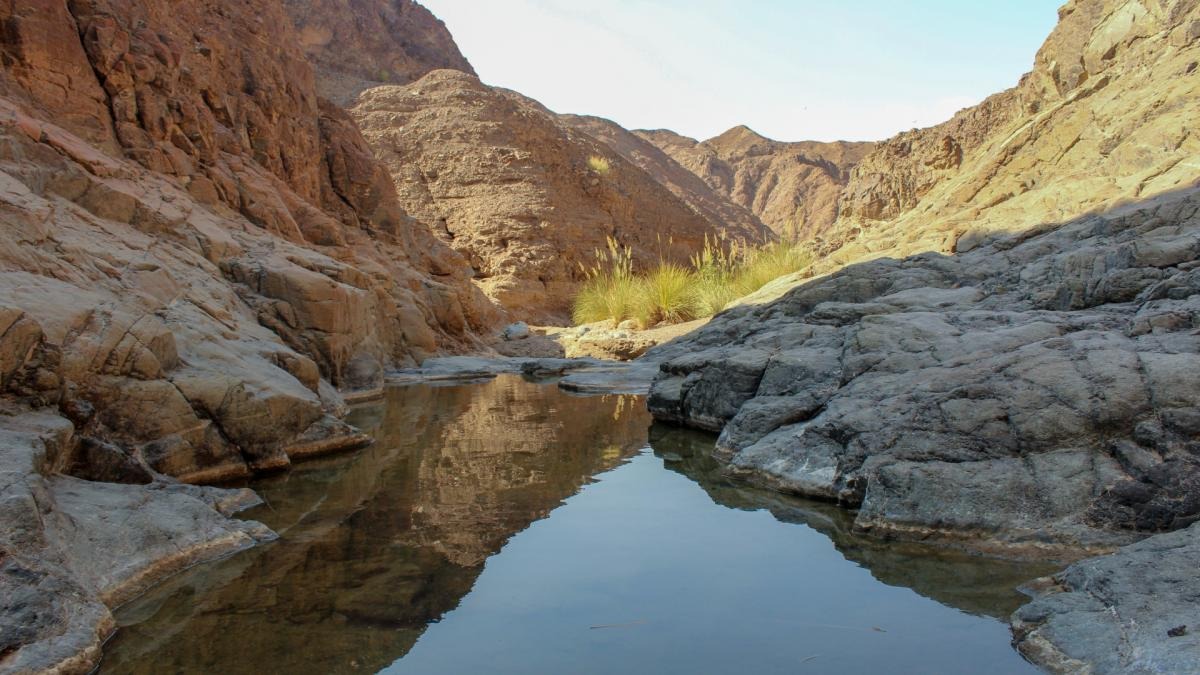
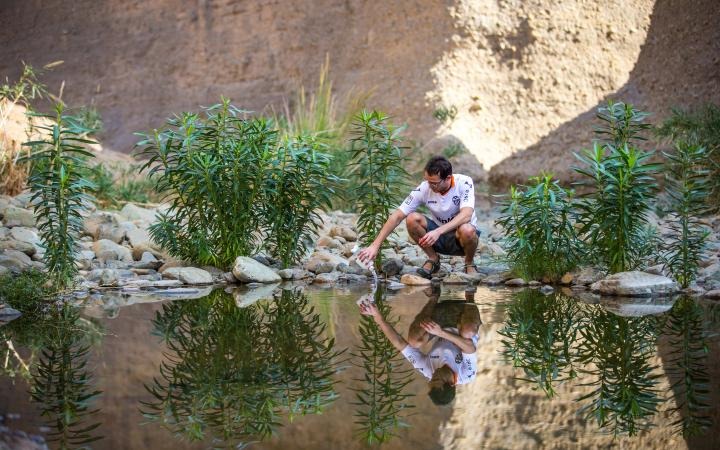
The panel discussion also celebrated how conservation success stories have emerged from years of local commitment and cross-sector collaboration. In Fujairah, Wadi Wurayah National Park stands as a living example of how nature protection and community engagement go hand-in-hand. The park - the UAE’s first mountain protected area - has become a symbol of resilience, restoring critical habitats while inspiring national pride.
H.E. Aseela Abdullah Moalla, Director General of the Fujairah Environment Authority:
“Wadi Wurayah is not only a beautiful place - it is the beating heart of Fujairah’s natural heritage, and a living example of what can be achieved when government, science and the community work hand in hand. Every family in Fujairah has a memory of this valley - its waterfalls, its biodiversity, its stories. Over the past two decades, our partnership with Emirates Nature-WWF has transformed Wadi Wurayah into a true model for conservation in the UAE: a site of research, education and volunteerism where people connect with nature and learn to protect it. Today it stands as a UNESCO Biosphere Reserve and a Ramsar Site, and we are working to have it recognized as a World Heritage Site - a global symbol of how local action and collaboration can secure our shared future.”
That same balance between ecosystem and economy was echoed in other emirates. From expanding protected areas to restoring coral reefs and mangroves, and expanding green spaces through reforestation, Ras Al Khaimah is investing in the natural systems that sustain its communities.
Ras Al Khaimah: Balancing ecosystems and economic growth
H.E. Dr. Abdul Rahman Al Shayeb Al Naqbi, Acting Director General of the Environment Protection and Development Authority (EPDA) of Ras Al Khaimah:
“Healthy ecosystems are the foundation of our prosperity and at the heart of the economy. When we restore mangroves, plant native trees, or protect coral reefs, we are not just preserving nature - we are contributing to sustainable development by creating green jobs, strengthening tourism and building resilience for generations to come. We believe that conservation and protection should serve as an economic driver by transforming natural assets into engines for growth and opportunity. By working with communities to build their capacities and enhance their skills, we help turn their ideas into viable businesses that contribute to a sustainable and resilient economy.”
As part of EPDA’s strategy to expand protected areas, several initiatives have been launched, including the recent designation of Khor Hulaylah as a Marine Protected Area (MPA) in Al Rams lagoon. This effort has been supported by Emirates Nature-WWF, whose marine studies have been instrumental in advancing and supporting its future designation as a protected area.
Bridging conservation and community prosperity
These efforts are united by a shared belief: that conservation and development are not competing priorities, but complementary forces. This principle lies at the core of Emirates Nature-WWF’s 25 years of impact in the UAE - bridging policy, practice and community action to drive measurable impact for both people and the planet.
Laila Mostafa Abdullatif, Director General of Emirates Nature-WWF:
“When conservation strengthens livelihoods, preserves cultural heritage and enhances well-being, it becomes self-sustaining. In the UAE, this integration is natural - our culture has always seen land, sea and community as inseparable. Through partnerships with government, the private sector and local communities, we’re aligning conservation with national goals for food security, sustainable tourism and economic diversification. These initiatives show that rural development and conservation are not parallel agendas - they are mutually reinforcing pathways.”
Looking ahead: Communities at the heart of the UAE’s path to 30x30
The session concluded with a collective commitment to deepen collaboration and scale what works - from sustainable rural enterprise models to data-driven restoration tools that can guide future decisions. Together, these initiatives are shaping a new chapter for the UAE: one where rural communities lead the way toward a resilient, nature-positive economy.
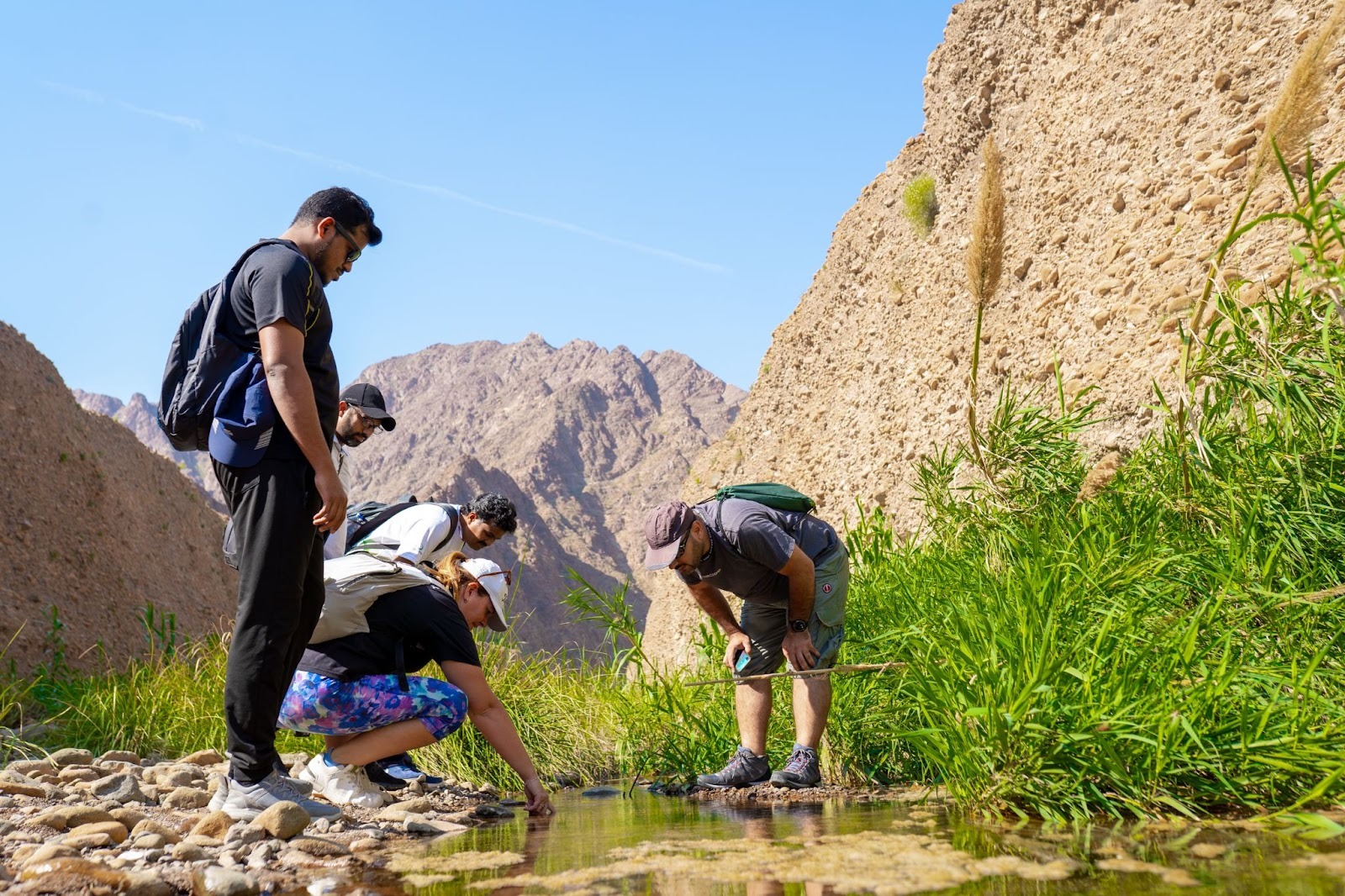
As the UAE advances toward its 30x30 biodiversity target and broader sustainability goals, leaders reaffirmed that communities are the foundation for lasting impact. They are not only the beneficiaries of conservation, but its designers and stewards - shaping solutions rooted in local knowledge, shared ownership and positive intention. Empowering communities to act as custodians of their natural landscapes is not just essential for protecting biodiversity – it is the foundation for long-term prosperity.